Grass fed and grass finished beef
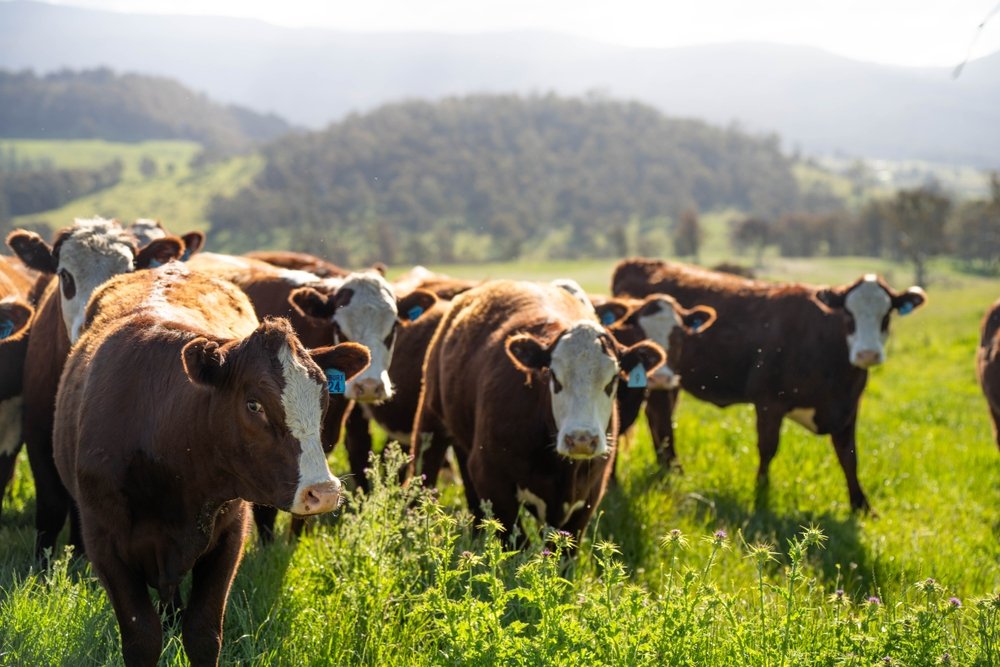
Grass-fed, grass-finished beef can offer several nutritional advantages over conventional grain-finished beef. Both are excellent sources of complete protein, iron, zinc, selenium, and vitamin B12, but the way cattle are finished can change the fat and antioxidant profile of the meat. Research comparing the two systems generally finds that grass-finished beef is leaner and contains a greater proportion of omega-3 fatty acids, including alpha-linolenic acid and, in some studies, the longer-chain omega-3s EPA, DPA, and DHA. It also tends to have a lower omega-6-to-omega-3 ratio.
Omega-3 fatty acids are important because they help support the body’s normal inflammatory response and are used to produce compounds involved in resolving inflammation. Omega-6 fatty acids are also essential and play important roles in health, but modern diets often contain much more omega-6 than omega-3. Choosing foods that provide more omega-3s can help create a more balanced fatty-acid intake rather than simply trying to eliminate omega-6 fats.
Grass-finished beef also tends to contain more conjugated linoleic acid, or CLA, and its precursor trans-vaccenic acid. CLA has attracted considerable research interest because of possible effects on lipid metabolism and inflammation, although the amounts found in normal servings of beef are relatively modest and should not be viewed as therapeutic. Grass-finished beef may also provide higher concentrations of carotenoids and vitamin E-related antioxidants because fresh forage naturally contains these compounds.
Another advantage is that grass-finished beef is typically lower in total fat. Some research also indicates a more favorable saturated-fat profile, with less of certain saturated fatty acids associated with raising LDL cholesterol. However, the differences vary considerably with breed, pasture quality, cut of meat, season, and production practices. Grain-fed beef can contain more monounsaturated fat and usually has more marbling, so it would be an oversimplification to describe grass-finished beef as universally healthier in every nutritional category.
For a recipe such as ribeye with citrus soy broth, 100% grass-fed and grass-finished beef is a particularly good choice. It supplies high-quality protein and important micronutrients while generally being somewhat leaner and providing a more favorable omega-3 profile. Its slightly more pronounced beef flavor also works especially well with the fresh lime, orange, serrano, cilantro, avocado, and pickled red onions in the dish.
References:
Chail et al., review of grain- and grass-fed beef fatty-acid composition (2022).