Seed oils
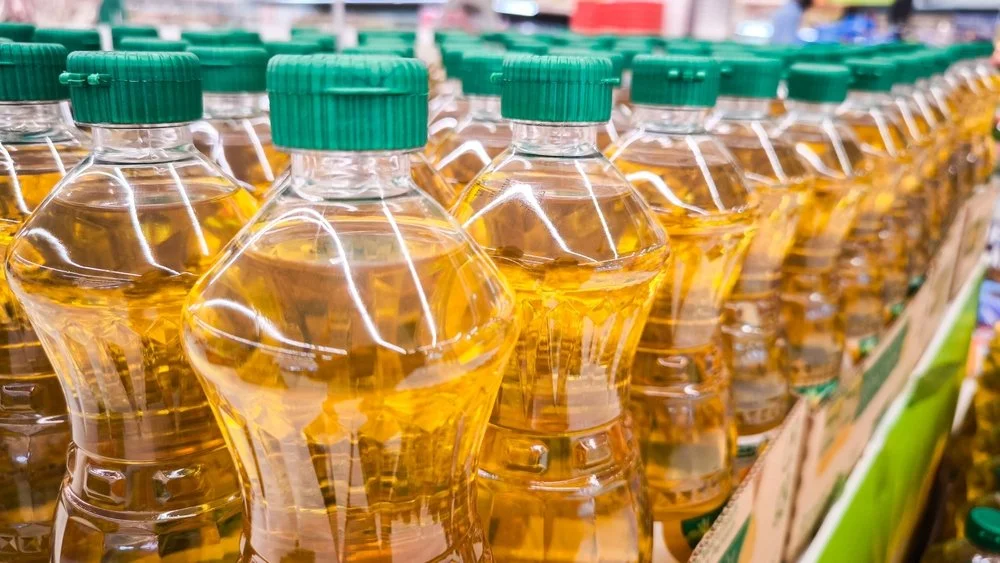
In a California kitchen built around fresh produce, good ingredients and simple cooking, the choice of cooking fat matters. Many common seed oils—including soybean, corn, canola, sunflower and safflower oils—are highly refined before they reach the bottle. Commercial production can involve crushing, solvent extraction, heating, bleaching, deodorizing and extensive filtering to create an inexpensive, neutral-tasting oil with a long shelf life. That is a very different product from a good California extra-virgin olive oil, where fresh olives are mechanically crushed and separated, preserving much of the fruit’s natural flavor, aroma and protective polyphenols.
Another concern is what happens when oils are exposed to high heat, oxygen and repeated cooking cycles. Seed oils tend to contain relatively high levels of polyunsaturated fatty acids, which are more susceptible to oxidation than the predominantly monounsaturated fat found in olive oil. Prolonged or repeated frying can break these fats down and form oxidized lipids, aldehydes and other degradation products. From a cook’s perspective, this is one of the strongest reasons to minimize heavily fried and ultra-processed foods—particularly foods prepared in commercial fryers where the same oil may remain at high temperature for extended periods.
Current federal nutrition guidance has shifted toward a simpler message: eat real food and obtain more of your fats from nutrient-dense, minimally processed foods. The 2025–2030 Dietary Guidelines specifically recommend fats from foods such as olives, avocados, nuts, seeds, seafood and eggs, and identify olive oil as a nutrient-dense natural cooking fat. The FDA’s updated definition of “healthy” likewise recognizes olive oil, nuts and seeds as foods that can qualify based on their nutrient profiles.
The evidence on inflammation deserves some balance. Although omega-6-rich seed oils are often blamed for chronic inflammation, human studies have not clearly demonstrated that normal consumption of linoleic acid by itself increases inflammatory markers. The more convincing concern is the overall dietary pattern: highly processed foods, repeatedly heated oils, refined carbohydrates, excess sugar and excessive calories. For Curative Cuisine, the practical answer is straightforward—cook mostly from whole ingredients, avoid heavily processed and repeatedly fried foods, and make a flavorful California extra-virgin olive oil your everyday kitchen oil.
Suggested references:
U.S. Department of Agriculture & U.S. Department of Health and Human Services. Dietary Guidelines for Americans, 2025–2030. The current guidelines emphasize “eat real food,” prioritizing whole, nutrient-dense foods while limiting highly processed foods, added sugars and refined carbohydrates.
U.S. Food and Drug Administration. FDA Finalizes Updated “Healthy” Nutrient Content Claim. December 19, 2024; updated February 2025. The rule updates how foods can qualify for the “healthy” claim and places greater emphasis on nutrient-dense food groups and overall dietary patterns.
Scianò F, et al. “Toxic aldehydes in cooking vegetable oils: Generation, toxicity and disposal methods.” Food Chemistry X. 2025. This recent review discusses how high-temperature cooking and frying can generate reactive aldehydes as oils oxidize, with temperature, heating time and oil composition all affecting their formation.
Ku SK, et al. “The harmful effects of consumption of repeatedly heated edible oils: a short review.” Clinical Therapeutics. 2014;165(4):217–221. Reviews oxidative stress and potentially harmful compounds associated with repeatedly heated cooking oils.
Johnson GH, Fritsche K. “Effect of dietary linoleic acid on markers of inflammation in healthy persons: a systematic review of randomized controlled trials.” Journal of the Academy of Nutrition and Dietetics.2012;112(7):1029–1041. Importantly, this review found little evidence that linoleic acid itself increases inflammatory markers in healthy people—useful support for keeping the Curative Cuisine discussion scientifically balanced.