Wild or farm raised salmon
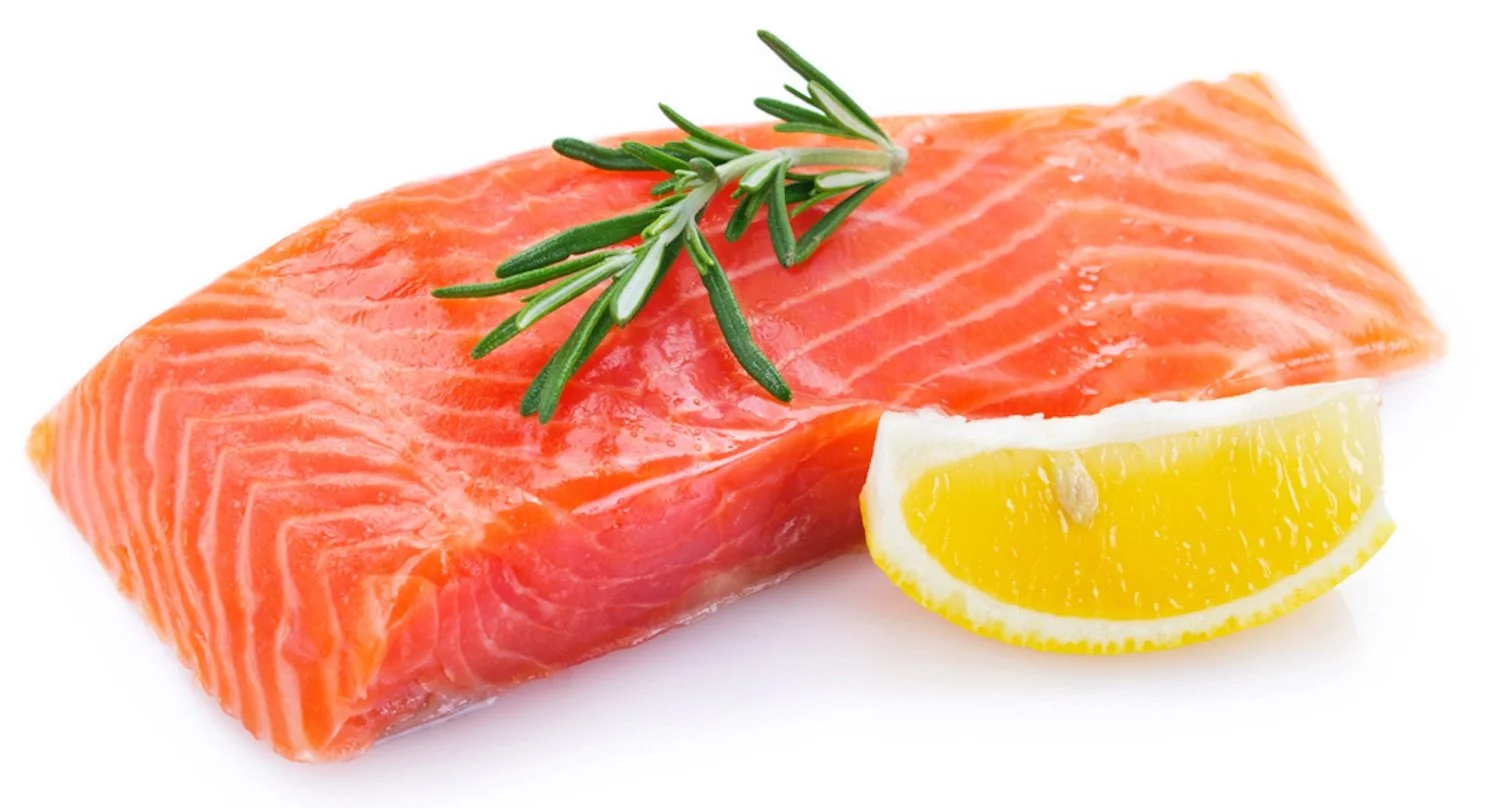
Wild salmon and farm-raised salmon can both be part of a healthy diet, but they are not quite the same fish nutritionally or in the way they get to your plate.
At Curative Cuisine, we lean toward wild salmon whenever possible. Wild salmon grows in its natural environment and feeds on smaller fish, krill, and other marine life. That gives it a leaner texture, a clean flavor, and an excellent supply of EPA and DHA omega-3 fats. These are the fats most associated with heart health and helping the body manage inflammation. Wild salmon also tends to be lower in total fat and omega-6 fats than farm-raised salmon.
From a cook’s point of view, wild salmon is also hard to beat. Good sockeye, coho, or king salmon does not need much help. A little California extra-virgin olive oil, fresh lemon, herbs, garlic, and a hot pan or grill are often all it takes. The idea is simple: start with a great ingredient and let it taste like itself.
Farm-raised salmon, however, should not be dismissed. It is still a very nutritious food and an excellent source of protein, vitamin B12, selenium, and omega-3 fats. Because farmed Atlantic salmon is usually fattier, it can actually contain more total omega-3s per serving than some wild salmon. The downside is that farmed salmon is raised on formulated feed, which may include plant oils and other ingredients that can increase its omega-6 content and change its overall fat profile.
There are environmental differences as well. Wild salmon depends on healthy rivers, oceans, and responsible fisheries. Farm-raised salmon can raise concerns about waste, sea lice, escapes, and the environmental impact of open-net pens, although farming practices vary greatly from producer to producer.
Our preference is simple: choose wild salmon when it is available and fits your budget, especially wild Alaska sockeye, coho, or king. If farm-raised salmon is what is available, choose a responsibly raised product from a producer with good environmental and feeding practices.
Most importantly, don't lose sight of the big picture. Salmon—wild or responsibly farmed—is one of the most nutrient-rich proteins you can put on the table. Cook it simply, pair it with fresh vegetables, herbs, citrus, and good California olive oil, and you have exactly the kind of meal Curative Cuisine is about: simple food, great flavor, and ingredients that work for your health rather than against it.
References for more information
FDA — Advice about Eating Fish
Covers seafood nutrition, omega-3 fats, heart-health benefits, mercury, and lists salmon as a “Best Choice.”
FDA: Advice about Eating Fish
FDA/EPA — Questions & Answers about Eating Fish
Good supporting source for protein, healthy fatty acids, vitamins, minerals, and lower-mercury seafood choices.
FDA/EPA Fish Advice Q&A
FDA — Updated Advice about Eating Fish
Notes that fish provides important nutrients and that strong evidence supports heart-health benefits from eating fish as part of a healthy diet.
FDA: Updated Advice about Eating Fish
FDA — Mercury in Food
Useful background on mercury exposure, FDA monitoring, and why lower-mercury seafood choices matter.
FDA: Mercury in Food